Data Analytics in Operating Room Integration
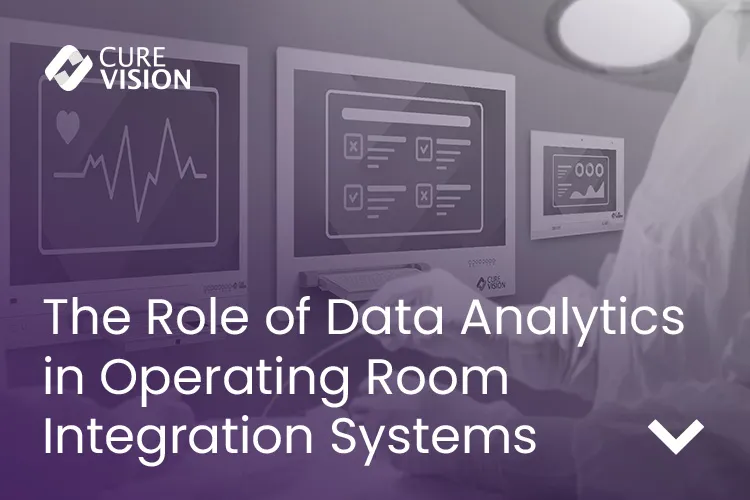
Modern medicine's technology plays a pivotal role in enhancing patient care and optimizing medical processes. One of the areas where this synergy is particularly evident is in the Operating Room (OR) , where the precision of procedures can mean the difference between life and death . Operating Room Integration Systems have revolutionized surgical environments by seamlessly integrating various devices, information sources, and personnel . At the heart of these systems is data analytics , empowering healthcare professionals to make informed decisions, streamline processes, and improve patient outcomes .
Understanding Operating Room Integration Systems
An Operating Room Integration System acts as a centralized hub , synchronizing various components such as surgical equipment, imaging devices, patient records, and communication tools . This integration enhances surgical team collaboration , leading to safer and more efficient procedures .
Real-time Monitoring and Decision-making
OR Integration Systems equipped with real-time data analytics allow surgical teams to monitor vital parameters such as:
✔ Heart rate ✔ Blood pressure ✔ Oxygen saturation
AI-powered analytics can instantly detect anomalies , triggering alerts for immediate intervention. This proactive approach enhances patient safety and reduces surgical risks.
Enhancing Surgical Workflows
Efficiency is a cornerstone of successful surgery , and data analytics optimizes workflows by identifying bottlenecks and inefficiencies . For example, if a specific procedure takes longer than expected , analytics can suggest adjustments to streamline the process .
Personalized Patient Care
Every patient is unique , and their surgical journey should reflect that . Data analytics enables personalized care by analyzing:
✔ Patient medical history ✔ Diagnostic images ✔ Surgical records
Surgeons can access this information in real time , aiding in better decision-making and optimized treatment plans .
Performance Monitoring and Device Integration
By integrating data from medical devices , OR Integration Systems ensure:
✔ Optimal device functionality ✔ Minimized risk of technical issues ✔ Smooth surgical workflows
This contributes to higher efficiency and better patient safety .
Post-surgery Analysis and Quality Improvement
Data analytics doesn’t stop after surgery . Healthcare teams can use it to:
✔ Analyze surgical data ✔ Identify areas for improvement ✔ Enhance best practices
This continuous learning cycle helps hospitals maintain high-quality standards and refine procedures for better outcomes .
Economic Benefits of Data Analytics in OR Integration
Beyond enhancing patient care , data analytics also offers significant cost-saving benefits by:
✔ Optimizing resource utilization – Ensures efficient use of operating rooms, equipment, and personnel . ✔ Reducing surgical complications – Early detection of anomalies minimizes readmissions and post-operative risks . ✔ Streamlining workflows – Minimizes delays between procedures , increasing the number of surgeries performed daily . ✔ Improving inventory management – Tracks medical supplies and prevents overstocking or shortages . ✔ Supporting evidence-based decision-making – Helps surgeons adopt cost-effective treatment plans and optimize hospital resources .
In Conclusion
Operating Room Integration Systems powered by data analytics are transforming surgical care by enhancing collaboration, communication, and decision-making . These systems help improve patient safety, optimize workflows, and drive efficiency in healthcare facilities. As technology advances , integrating real-time data analytics into OR environments will lead to safer, more efficient, and highly personalized surgical experiences worldwide .